
The Critical Role of Backup Generators in a Power Grid Failure
In today’s interconnected world, we rely heavily on a consistent and reliable supply of electricity to power our homes, businesses, and communities. However, the vulnerabilities of the power grid can expose us to significant risks when outages occur. As a leading provider of electrical solutions, JCT Electric Inc understands the importance of preparing for such situations. In this article, we will explore the dangers associated with power grid failures and shed light on the crucial role backup generators play in mitigating the impact of these disruptions.
The Dangers of Power Grid Failures: When a power grid goes down, the consequences can be far-reaching and pose serious threats to various aspects of our lives. Here are some of the dangers that can arise:
- Disruption of Essential Services: Hospitals, emergency services, water treatment plants, and communication networks all rely heavily on electricity. A power grid failure can cripple these critical services, hampering emergency response efforts, medical procedures, and the overall functioning of society.
- Economic Impact: Power outages can deal a significant blow to businesses, resulting in halted production, interrupted supply chains, and financial losses. Industries heavily reliant on electricity, such as manufacturing and information technology, can suffer severe setbacks.
- Public Safety Concerns: The loss of electricity means street lights, traffic signals, and safety systems cease to function, potentially leading to accidents and increased crime rates. Transportation systems may be rendered inoperable, posing risks to commuters and travelers.
- Food and Water Security: Power outages disrupt refrigeration and food preservation, leading to spoilage and shortages. Water supply systems, reliant on electricity for pumping and treatment, may also be affected, resulting in limited access to clean water.
- Health Risks: Individuals dependent on medical devices powered by electricity, such as ventilators or home dialysis machines, face immediate threats during power outages. Additionally, temperature control in buildings may be compromised, posing dangers related to extreme heat or cold, especially for vulnerable populations.
- Communication Breakdown: Power failures can disrupt communication systems, hindering emergency communication, information dissemination, and coordination efforts during crises. This can exacerbate the challenges of managing the situation effectively.
The Crucial Role of Backup Generators: In the face of power grid failures, backup generators emerge as an invaluable lifeline, offering a range of benefits and ensuring resilience. Here’s why backup generators, such as those provided by JCT Electric Inc, are essential:
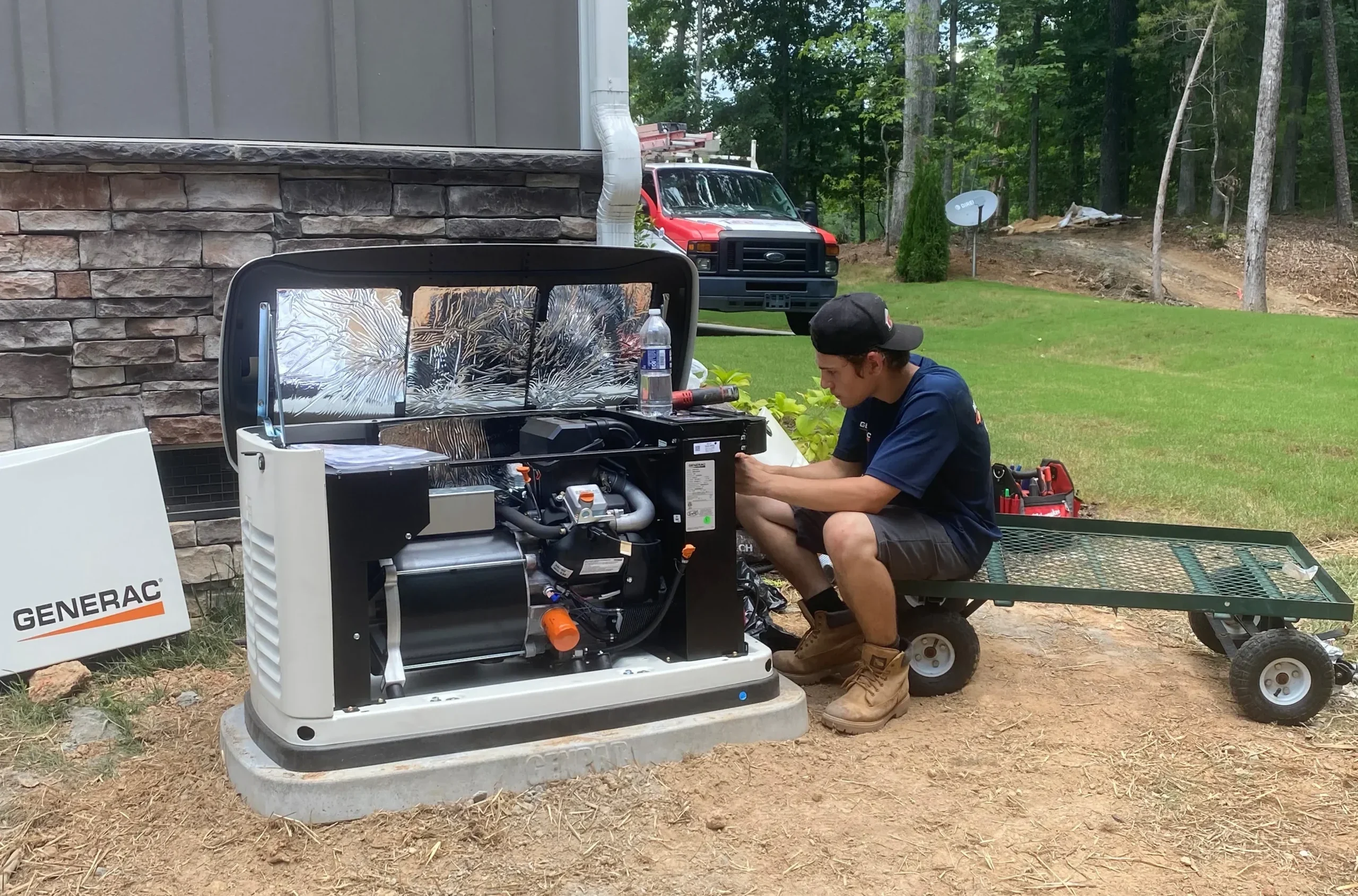
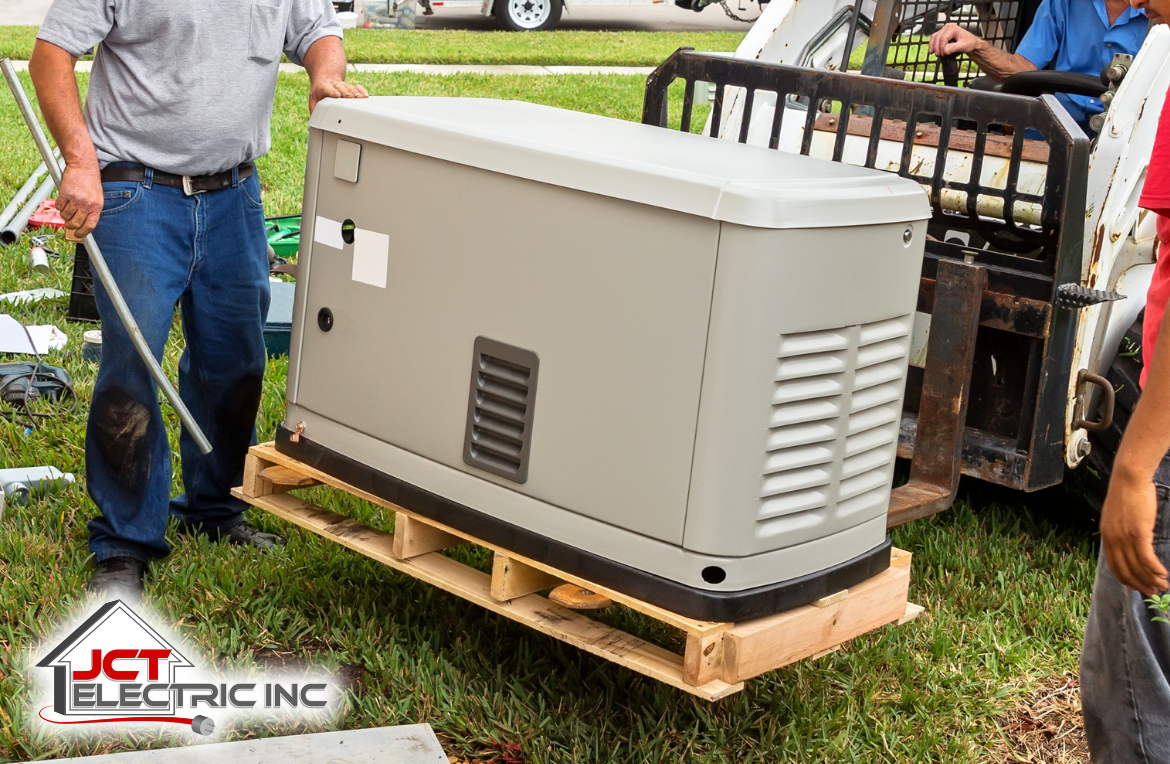
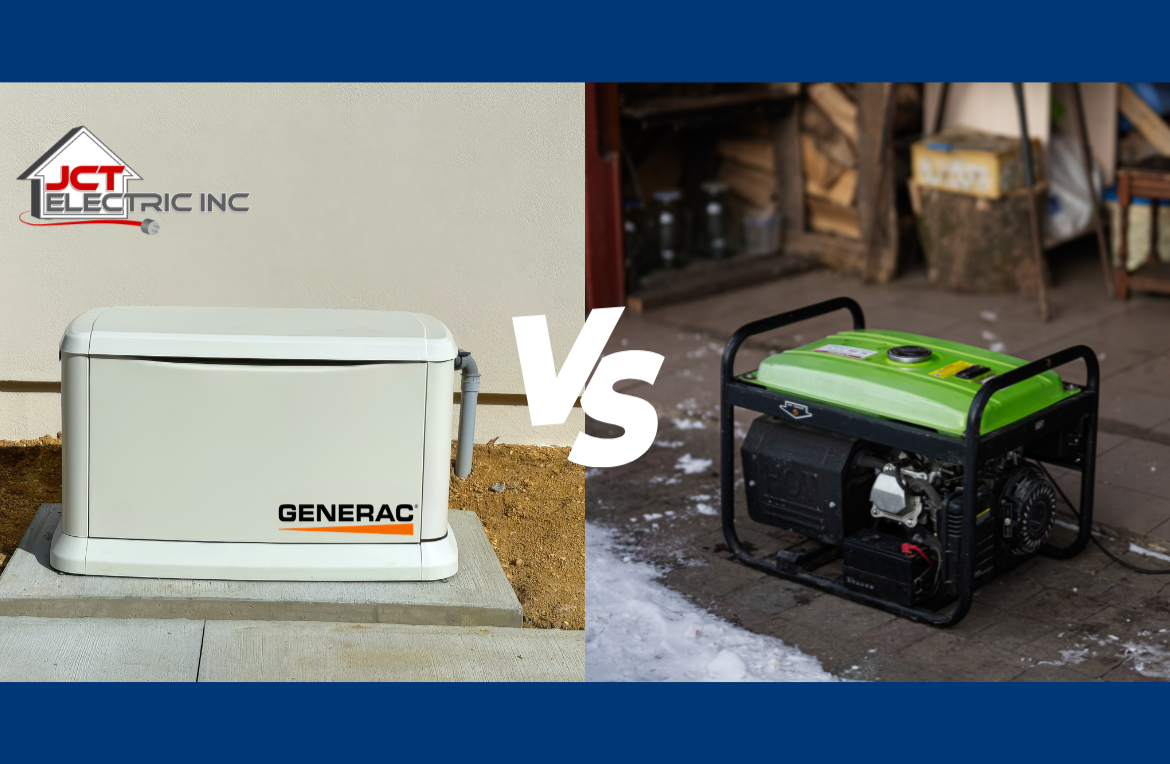
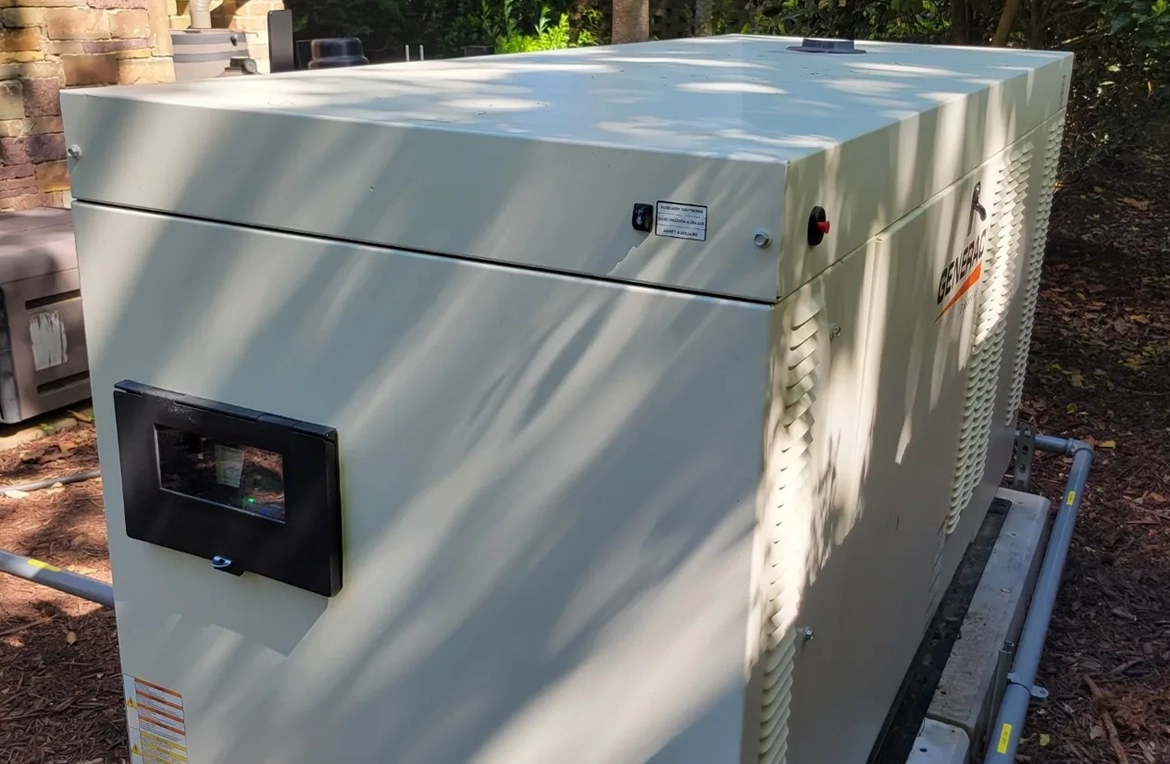
- Uninterrupted Power Supply: Backup Generac generators immediately kick into action when the main power supply fails. They provide a reliable source of electricity, ensuring essential services, businesses, and homes can continue functioning without disruption.
- Emergency Preparedness: By installing Generac backup generators, individuals and organizations proactively prepare for unforeseen events. This proactive approach to emergency preparedness minimizes downtime, reduces financial losses, and ensures the safety and well-being of individuals during power outages.
- Business Continuity: For businesses, backup generators are crucial for maintaining operations and preventing substantial financial losses. They keep production lines running, protect valuable data and equipment, and uphold service delivery commitments to clients.
- Public Safety and Well-being: Backup generators play a vital role in ensuring public safety during power outages. They keep critical infrastructure, such as hospitals, emergency services, and water treatment facilities, operational. This enables swift emergency response, sustains medical services, and helps maintain a safe environment for communities.
- Protection Against Food and Water Shortages: Backup generators power refrigeration systems, preserving perishable goods and preventing food spoil