
The Importance of Upgrading Electrical Panels in Older Homes
As technology continues to advance and energy demands in homes increase, older homes may struggle to keep up with modern electrical needs. One crucial upgrade that older homeowners should consider is updating their electrical panels. The electrical panel, also known as the breaker box or fuse box, is the heart of a home’s electrical system. It distributes electricity from the main power supply to various circuits throughout the house. In this blog post, we will explore the significance of upgrading electrical panels in older homes to meet modern energy demands and, more importantly, to ensure electrical safety.
Understanding the Electrical Panel
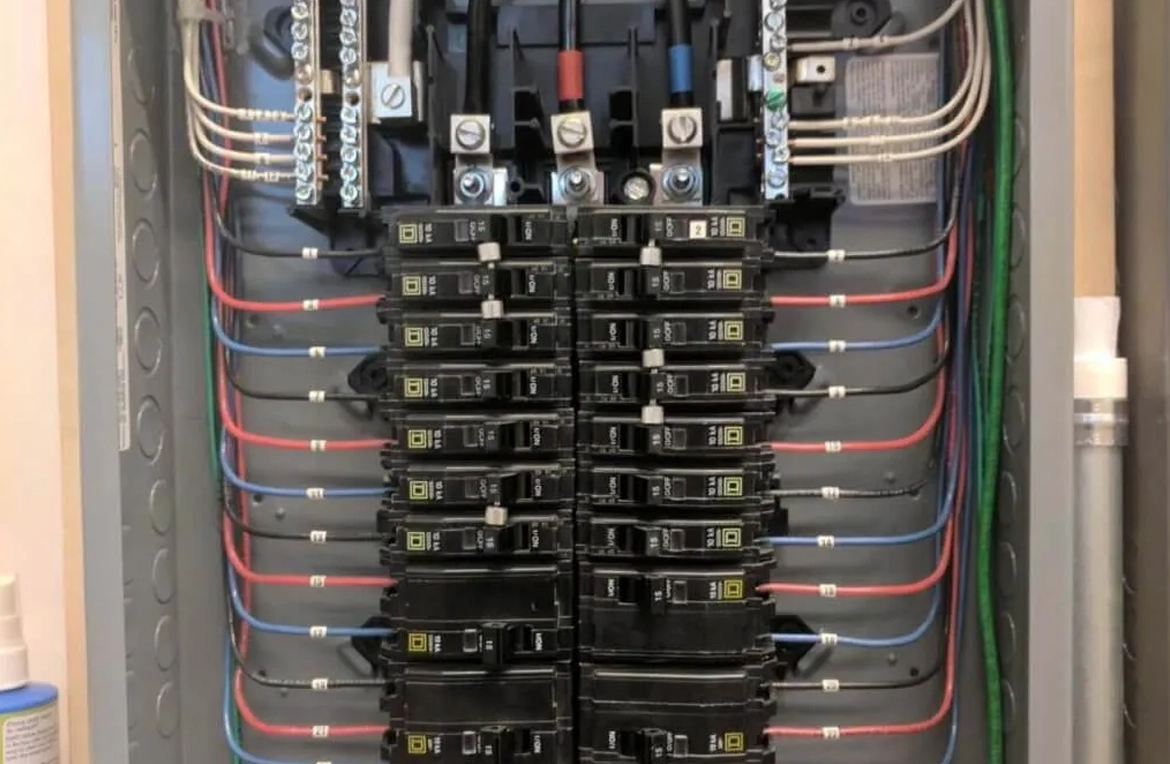
Before delving into the reasons for upgrading electrical panels, let’s understand what they are and how they work. The electrical panel is typically located in a utility room, basement, or garage. It consists of circuit breakers or fuses that protect the electrical circuits in your home. When a circuit becomes overloaded or experiences a fault, the breaker trips or the fuse blows, cutting off power to that specific circuit to prevent electrical hazards like fires or electrical shocks.
The Limitations of Older Electrical Panels
Many older homes were built with electrical panels that were suitable for the energy demands of their time. However, these panels may not be equipped to handle the power requirements of modern lifestyles. As homeowners add new appliances, electronic devices, and other power-hungry equipment, the electrical panel can become overwhelmed, leading to frequent tripping of breakers and potential safety risks.
Meeting Modern Energy Demands
In today’s digital age, homes consume significantly more electricity than in the past. The prevalence of energy-intensive devices like air conditioners, home theaters, gaming consoles, and smart home systems places a higher strain on electrical systems. Upgrading the electrical panel allows homeowners to support these energy demands adequately, providing a stable and uninterrupted power supply throughout the house.
Enhancing Home Safety
The safety of residents is paramount, and older electrical panels may not meet current safety standards. Outdated panels with fuses, for instance, pose a higher risk of electrical fires. Upgrading to circuit breakers not only offers better protection against overloads and short circuits but also allows for easier and safer resetting. Additionally, modern electrical panels often come with built-in features like ground fault circuit interrupters (GFCIs) and arc fault circuit interrupters (AFCIs) that provide an extra layer of protection against electrical hazards.
Supporting Home Renovations and Additions
For homeowners planning to remodel or add new rooms to their older homes, an electrical panel upgrade is often a necessity. Renovations typically involve adding new electrical circuits to accommodate the increased load. Without an upgraded panel, these additional circuits cannot be safely integrated into the existing electrical system.
Increasing Property Value
An upgraded electrical panel can significantly enhance the value of an older home. Potential buyers are likely to be more interested in properties with modernized electrical systems that ensure both safety and convenience. This upgrade can be an attractive selling point for those looking to sell their homes in the future.
The electrical panel is the backbone of a home’s electrical infrastructure, and upgrading it is essential for older homes to keep up with modern energy demands and ensure the safety of its residents. By replacing outdated panels, homeowners can support the increasing number of power-hungry devices, enhance safety measures, and create a more attractive and valuable property.
If you reside in an older home and haven’t considered an electrical panel upgrade, consult a licensed electrician to assess your electrical system’s needs and discuss the best options for your specific requirements. Investing in this vital upgrade will provide peace of mind and a more comfortable living environment for years to come.