
Why The Best Generator Installation Is Not a DIY Project
Power outages rarely happen at a convenient time. A storm rolls through, a tree falls on a line, or the local grid simply fails. Suddenly your lights are out, your refrigerator stops running, and your heating or air conditioning shuts down. That’s why many homeowners in Denver, Charlotte, and the Lake Norman area are investing in standby generators.
But when people start researching backup power, a common question comes up: Can I install a generator myself? The short answer is no—and it’s not just about convenience. The best generator installation requires professional knowledge, permits, electrical expertise, and strict safety standards. Hiring trained technicians ensures your home generator works when you need it most. See why generator installation is not a DIY project and why searching for “generator installation near me” is the smartest first step.
Understanding What a Standby Generator Does
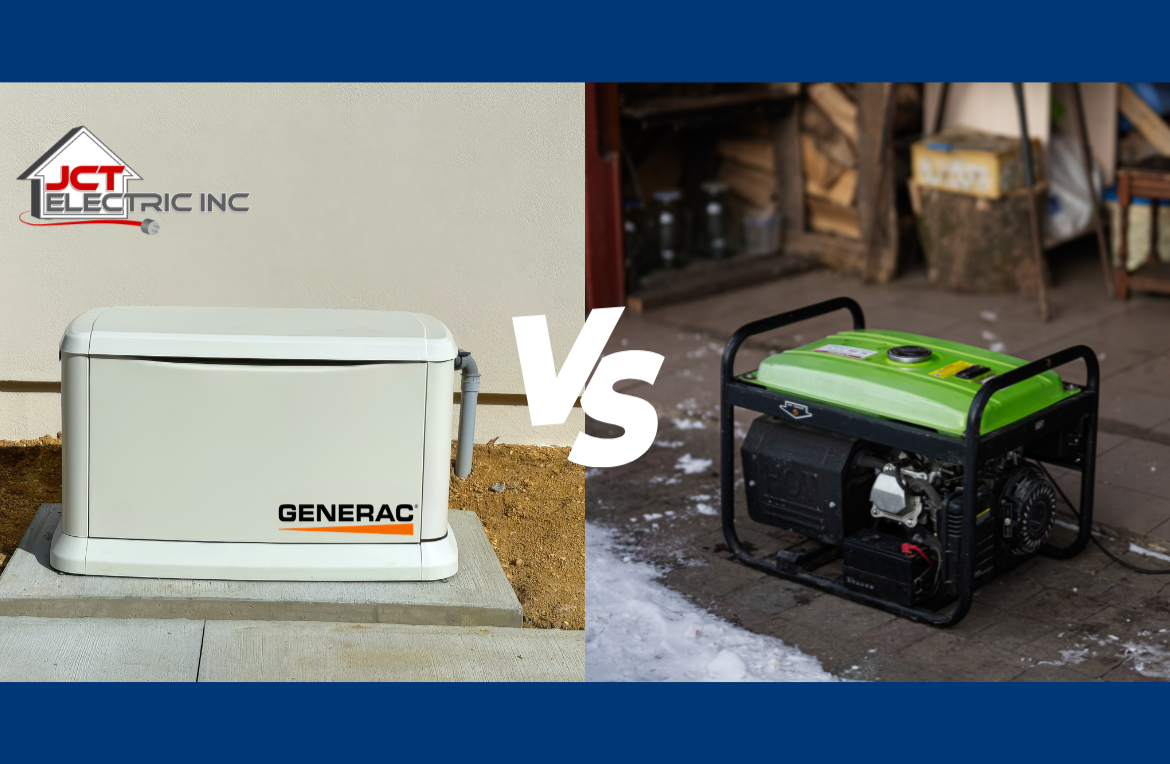
A standby generator is different from the portable generators many people buy during emergencies. Portable units require manual setup, extension cords, and fuel refills. They also only power a few appliances at a time.
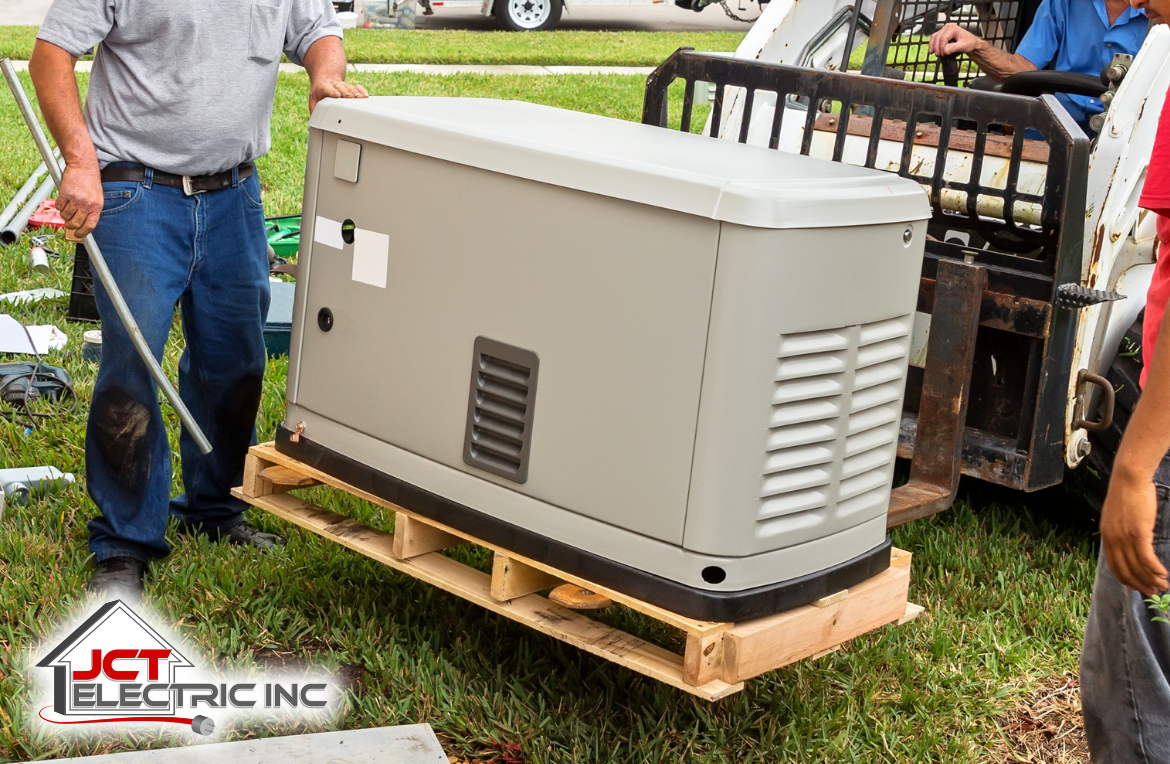
A standby generator works much differently. It is permanently installed outside your home and connected directly to your electrical system. When the power goes out, the generator automatically turns on within seconds and restores electricity to your home.
This means your:
- Refrigerator and freezer keep food safe
- Heating and cooling systems continue working
- Medical devices stay powered
- Lights, internet, and appliances remain functional
For many homeowners, this kind of reliability provides priceless peace of mind. But that level of reliability only happens when the system is installed correctly.
Generator Installation Is More Complex Than It Looks
At first glance, installing a generator may seem simple. After all, it’s just a machine that produces electricity, right? In reality, the process involves several technical steps that must be completed properly. Professional installation typically includes:
- Electrical system integration
- Transfer switch installation
- Gas or propane connections
- Equipment sizing and placement
- Local permits and inspections
- Full system testing
Each step requires specialized training and knowledge of local building codes. Trying to handle this yourself can easily lead to serious mistakes.
Safety Is the Biggest Reason to Avoid DIY Installation
Electricity and fuel systems are not something to experiment with. A poorly installed generator can create dangerous situations for your home and your family. Some of the most common risks include:
- Electrical Hazards: Incorrect wiring can cause electrical fires, damaged appliances, or power surges. A licensed electrician understands how to safely connect the generator to your home’s electrical panel.
- Carbon Monoxide Exposure: Generators produce carbon monoxide, a colorless and odorless gas. Professionals ensure the unit is placed at a safe distance from your home and positioned properly for ventilation.
- Gas Line Risks: Many standby generators run on natural gas or propane. Improper gas connections can lead to leaks or fire hazards if not handled correctly.
When homeowners search for generator installation near me, they’re often looking for professionals who understand how to eliminate these risks.
Proper Generator Sizing Matters
Another common DIY mistake is choosing the wrong generator size. If the generator is too small, it won’t power the systems you need during an outage. If it’s too large, you may spend far more than necessary on equipment and fuel. Professional installers perform an assessment to determine the right generator capacity. Our team evaluates things like:
- Square footage of your home
- Essential appliances and systems
- HVAC requirements
- Electrical panel capacity
- Future power needs
This ensures you get the best generator installation for your home, not just the biggest generator available.
Permits and Code Compliance Are Required
Most homeowners don’t realize that generator installation usually requires permits and inspections. If a generator is installed without proper permits, homeowners may face fines, insurance issues, or forced removal of the equipment. Professional generator installers handle the entire permit process and ensure the installation meets all local regulations. This is another reason why searching for generator installation near me is the safer and easier choice.
Automatic Transfer Switch Installation
One of the most important parts of a standby generator system is the automatic transfer switch.
This device detects when the power goes out and instantly switches your home from grid power to generator power. When electricity returns, the switch reconnects your home to the grid.
Installing this component incorrectly can result in:
- Electrical backfeeding
- Utility worker safety risks
- Generator damage
- Major electrical failures
Reliable Professional Installation
When a power outage happens, you don’t want to discover that your generator doesn’t work. Professional installation includes full system startup and testing, electrical load verification, automatic activation checks, and safety inspections. These steps confirm that your generator will perform exactly as expected during an emergency. This level of testing is a major reason homeowners look for the best generator installation instead of trying to handle the project themselves.
Ongoing Maintenance Keeps Your Generator Ready
Another benefit of professional installation is continued generator service and maintenance after the system is installed. Generators require routine maintenance to stay reliable. This typically includes:
- Oil and filter changes
- Battery inspections
- System diagnostics
- Load testing
JCT Electric’s professional technicians understand generators and can quickly identify issues before they become major problems. When you choose experienced installers, you gain a long-term partner who helps keep your home protected year after year.
Common Questions About Generator Installation
How long does generator installation take?
Most professional installations take one to two days, depending on the electrical work, permits, and gas line connections required.
Can a generator power my entire home?
Yes, depending on the generator size. Some systems power only essential circuits, while larger units can power the entire house.
Are standby generators noisy?
Not at all. Modern standby generators are designed to run quietly and automatically, without the loud noise associated with portable units.
How much does generator installation cost?
Costs vary based on generator size, electrical work, and installation requirements. We offer financing options to make backup power more affordable.
Protect Your Home with Professional Generator Installation
Power outages may be unpredictable, but your home’s backup power shouldn’t be. Standby generators provide reliable protection during storms, grid failures, and unexpected outages. But the key to dependable performance is choosing the best generator installation from trained professionals.
From system sizing to electrical integration, gas connections, permits, and testing, our professional technicians handle every detail safely and correctly. If you’re researching generator installation near me in Denver, Charlotte, or the Lake Norman area, working with our experienced local experts ensures your generator is ready the moment you need it.
When the lights go out, your home will stay safe, comfortable, and fully powered, no extension cords, no stress, and no guesswork required. Contact JCT Electric to request a free quote today!